
SAVE YOUR NATURAL TOOTH
Root Canal Treatment in Fort Lauderdale & Lighthouse Point, FL
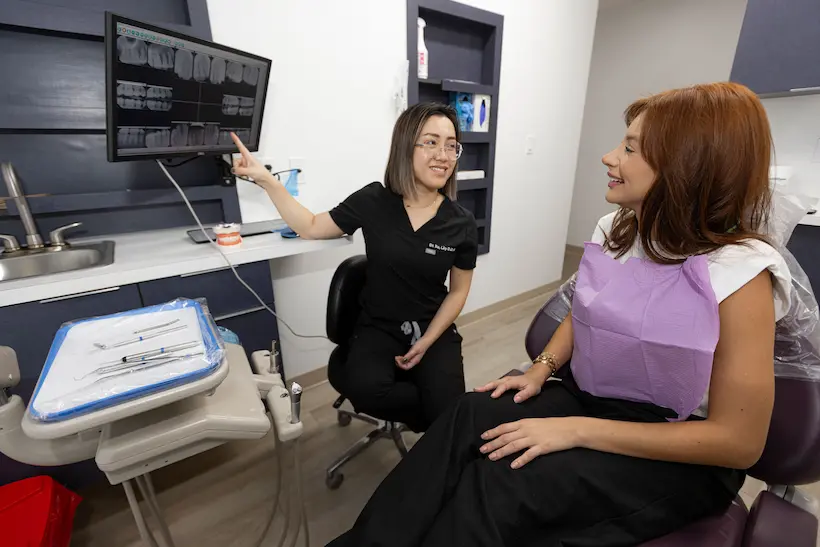
Florida Smiles Dental provides endodontic care and root canal treatment at our Fort Lauderdale dental office and our Lighthouse Point dental office. Endodontic treatment focuses on conditions affecting the dental pulp and tissues surrounding the roots of the teeth. Our team evaluates each patient’s symptoms and oral health to determine whether root canal treatment or another form of endodontic care may be appropriate.
What is Meant by Endodontics?
Endodontics is a specialized area of dentistry that focuses on the dental pulp and surrounding tissues of the root of a tooth. While general dentists focus on what is happening above the gums, where you can see, endodontics professionals focus on what you can’t see, below the gums. Endodontists are specially trained and highly skilled. They have undergone additional training and education beyond dental school. This advanced training and education enables them to perform complex treatments that involve the pulp, root and surrounding tissues.
What to Know About Dental Pulp
The pulp of the tooth is in the center. It’s made up of soft tissue that contains nerve endings, blood vessels and connective tissue. This pulp can become infected or inflamed due to deep decay, repeated dental procedures on the tooth, or a crack or chip in the tooth. Trauma to a tooth, even if it doesn’t cause visible cracks, can also damage the pulp. If left untreated, pulp damage can cause pain or lead to an abscess.
Why You Might Need Endodontic Treatment
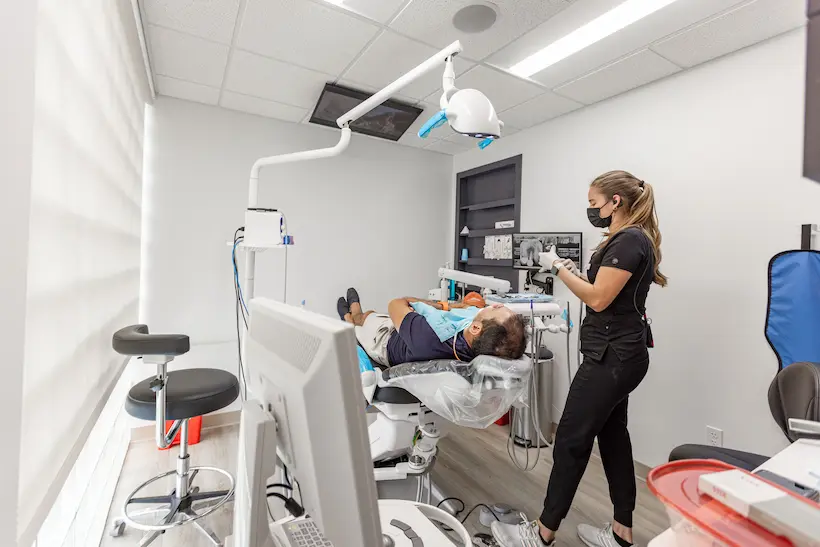
Needing endodontic treatment is fairly common. Most people need endodontic treatment at least once during their lives. Since it’s a tooth-saving treatment, there is reason to be happy if you’re getting the treatment you need. Typically, a patient will need this kind of treatment if the dental pulp has become infected or damaged in some way. This situation can come about for a variety of reasons, including tooth trauma, cracks or fissures in the tooth, or even having multiple procedures done on one tooth. A professional diagnosis is always needed before endodontic treatment, but it’s good to know the symptoms that may be present, so you can alert your dentist that something is going on. Symptoms that may indicate you need endodontic treatment include:
If you notice any of the above symptoms—or any other unusual symptoms, for that matter—it’s important that you consult with a dental professional as soon as possible. Ignoring these warning signs will almost certainly endanger the tooth even more, possibly resulting in the spread of infection to other parts of the body. Remember that endondontic treatment is intended to save your natural tooth, so the sooner you seek out that treatment, the better it will be for your oral and overall health.
Benefits of Endodontic Treatment
Patients who may need root canal treatment can receive an evaluation at our Fort Lauderdale office or Lighthouse Point office. Endodontic treatment is designed to remove infected or damaged dental pulp, clean and seal the root canal system, and help preserve the natural tooth when appropriate. Our dental team will evaluate the affected tooth and recommend treatment based on your individual dental needs.
Another major advantage is that endodontic treatment saves your natural tooth. Keeping your natural teeth is important for maintaining proper bite alignment, which is essential for effective chewing and speaking. When a tooth is extracted, neighboring teeth usually shift from their own positions, leading to bite issues, discomfort, and even jaw problems like TMJ over time. A natural tooth, once treated and restored with a crown, can continue to function like any other tooth for many years, sometimes even for the rest of your life.
Preserving your natural teeth also contributes to maintaining your facial structure. Without treatment, tooth loss can lead to bone loss in the jaw, which over time can change the shape of your face, giving it a sunken appearance. By saving your teeth, endodontic treatment helps maintain the bone structure and your overall facial aesthetics.
Frequently Asked Questions About Endodontic Treatment
Most patients have lots of questions about endodontic treatment. Here, we’ve gathered up some of the most common questions and answered them for you.
Contrary to myths, root canal treatment is not painful. In fact, it’s actually the opposite, since it relieves the often excruciating pain caused by an infected or damaged tooth. Modern anesthetics and techniques ensure that most patients experience little to no discomfort during the procedure. After the treatment, any residual pain can usually be managed with over-the-counter pain medication.
You should block out a full day to have your root canal done, although the procedure itself lasts only about an hour or an hour and a half. Complex cases, such as those involving multiple canals or severe infection, may require additional time. But afterward, you’ll want to rest and recuperate, rather than resume your day-to-day activities. This will help you to get better faster, too.
If a tooth that needs a root canal is left untreated, the infection can spread to other parts of the mouth and body, leading to serious health complications, including damage to the heart. The tooth may eventually become so damaged that extraction is the only option. Tooth loss can lead to other problems, such as shifting teeth, bite issues, and bone loss in the jaw. It’s a slippery slope that you don’t want to go down.
While root canal treatment has a high success rate, there is a small chance that a tooth may not heal as expected or that new infection could occur. If this happens, additional treatment, such as retreatment or endodontic surgery, may be needed to save the tooth. Regular dental check-ups and good oral hygiene can help prevent complications.
It’s normal to experience some discomfort after a root canal, especially in the first few days. If the pain is severe or persists for more than a few days, you should contact your endodontist.
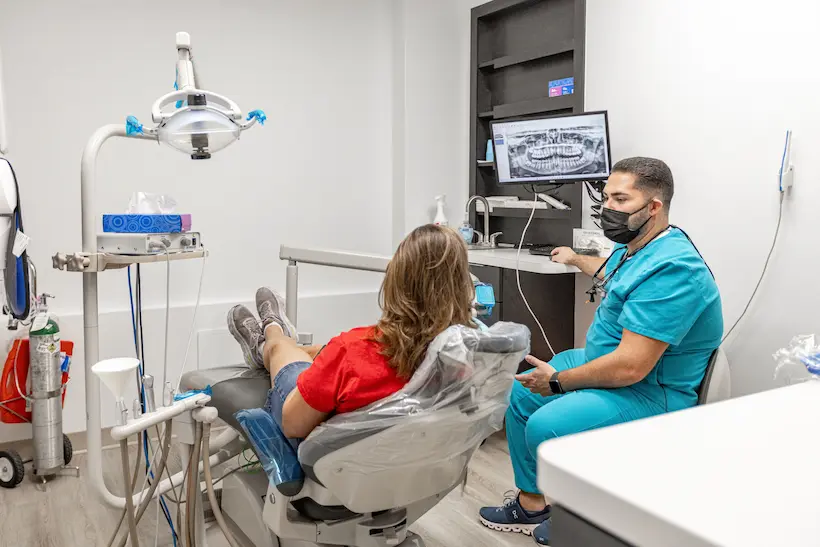
Experiencing tooth pain, sensitivity, swelling, or other symptoms that may require endodontic care? Florida Smiles Dental welcomes patients at our Fort Lauderdale location and Lighthouse Point location. Choose the office that is most convenient for you to meet with our dental team, receive an evaluation, discuss root canal or other endodontic treatment options, and schedule an appointment based on your individual needs.