Are Dental Implants Worth It? A Dentist’s Honest Guide to Cost, Benefits, and Long-Term Value

For many people, losing a tooth affects far more than just their smile. It changes how they eat. How they speak. How they smile in photos. Sometimes even how they carry themselves socially, professionally, and emotionally. That’s why dental implants can be life-changing for the right patient. At Florida Smiles Dental, dental implants are one of the most common restorative consultations we see across our Fort Lauderdale and Lighthouse Point locations. And one of the first questions patients usually ask is simple:

“Are dental implants really worth it?”

In many cases, the answer is yes. Dental implants are often worth it because they replace missing teeth in a way that looks natural, feels stable, helps preserve jawbone structure, and can last for many years with proper care. They are not the cheapest tooth replacement option upfront, and they are not right for everyone, but for patients who want a long-term solution, implants can be one of the best investments in oral health and quality of life. At Florida Smiles Dental, the team offers dental implants in both Fort Lauderdale and Lighthouse Point, and their dental technology page highlights tools such as digital X-rays, 3D imaging, intraoral cameras, and Cone Beam CT scanning, which are especially relevant for implant planning.

So, Are Dental Implants Worth It?

Yes, dental implants are usually worth it for patients who want a stable, natural-looking, long-term solution for missing teeth. But the real answer depends on your mouth, your health, your goals, and your budget. A dental implant is not just a cosmetic upgrade. It is a replacement for the missing tooth root. Once placed into the jawbone, the implant can support a crown, bridge, or denture. That makes it different from removable dentures or traditional bridges, which replace the visible part of the tooth but do not replace the root. For many patients, the biggest value comes from the way implants feel in everyday life. Eating feels more secure. Speaking feels more natural. Smiling feels less stressful. And because the implant is anchored in the jaw, it can help support the surrounding bone and bite over time. At Florida Smiles Dental, we look at implants as a long-term decision, not a quick cosmetic fix. During an implant consultation, the goal is not simply to ask, “Can we place an implant?” The better question is, “Is this the right option for your health, your lifestyle, and your smile goals?” Dental implants may be worth it if you:

  • are missing one or more teeth
  • want a fixed option instead of something removable
  • are frustrated with loose dentures
  • want to chew more comfortably
  • want to avoid altering healthy neighboring teeth
  • have enough bone support or are open to grafting
  • and want a long-term replacement option

They may not be the best first choice if you have untreated gum disease, uncontrolled medical conditions, severe bone loss, or if you are looking for the lowest-cost short-term solution. That’s why a consultation matters. The best treatment plan is always the one that fits your mouth, your goals, your timeline, and your comfort level.

What Makes Dental Implants Different?

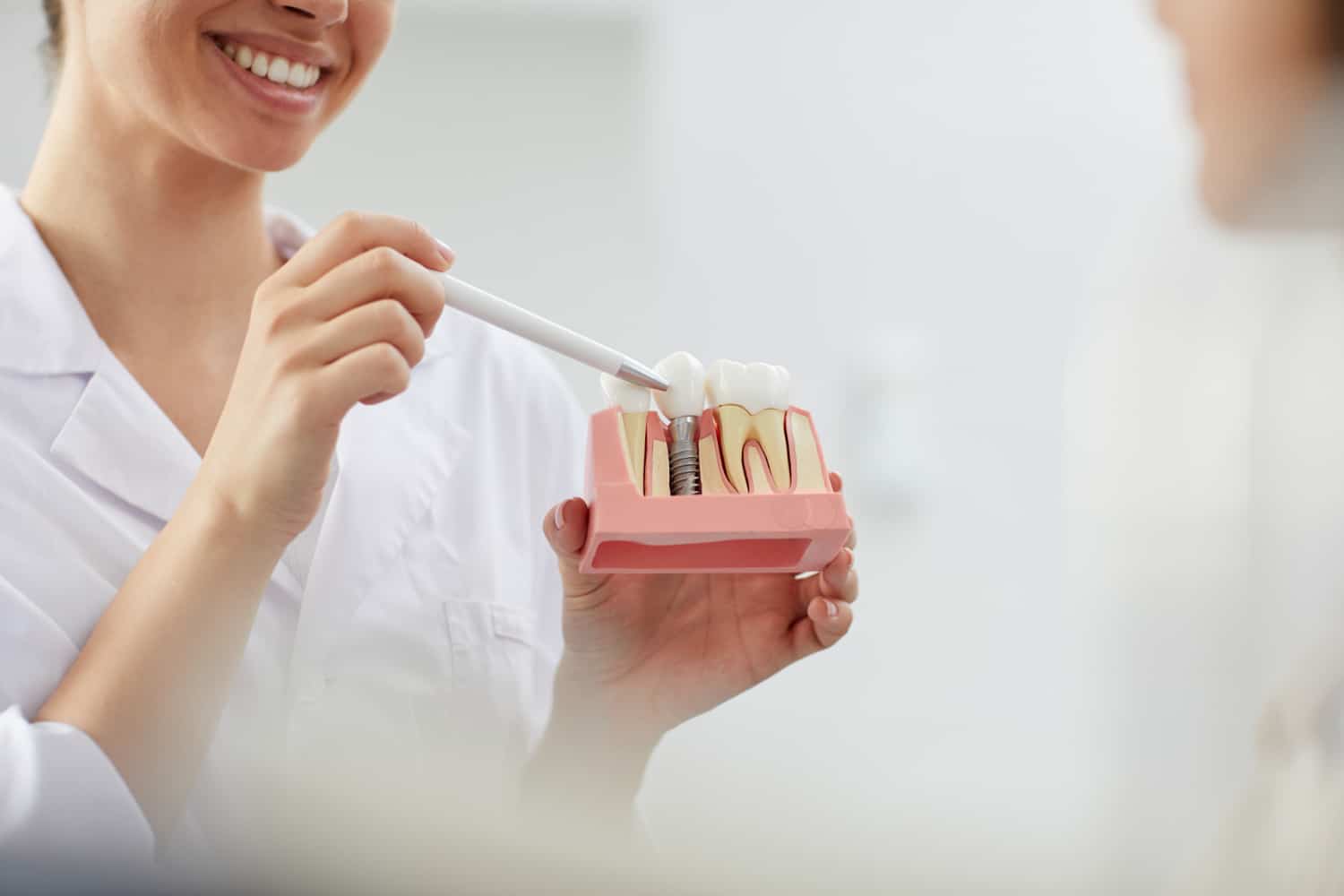
Unlike removable options, dental implants are designed to function similarly to natural teeth. A dental implant usually has three main parts: the implant post, the abutment, and the final restoration. The implant post is typically made from titanium or ceramic and is placed into the jawbone. Over time, the surrounding bone heals around the implant in a process called osseointegration. This is what gives the implant its stability. The abutment connects the implant post to the visible restoration. The crown, bridge, or denture is the part people see when you smile. This final restoration is custom-designed to blend with your natural teeth and restore function. That structure is one reason implants feel different from many other tooth replacement options. A removable denture sits on top of the gums. A traditional bridge uses neighboring teeth for support. A dental implant, on the other hand, is anchored in the jawbone. That difference matters. When a tooth root is missing, the jawbone in that area no longer receives the same stimulation it once did from chewing. Over time, this can contribute to bone loss. Dental implants help address this because they replace the root structure, not just the visible tooth. For patients, that can mean better chewing strength, improved stability, and a smile that feels more natural. At Florida Smiles Dental, implant planning may involve digital imaging and 3D diagnostic tools to evaluate the bone, gums, bite, and surrounding teeth before treatment begins. Cone Beam CT scans, for example, create a 3D view of teeth, gums, nerves, and bone structure, which can be helpful for surgical planning.

Why Patients Choose Dental Implants

Every patient has different goals, but many people explore implants for the same core reasons. They want to smile more confidently. They want to chew comfortably again. They are tired of removable dentures. They want to avoid teeth shifting into an empty space. They want to preserve jawbone structure. They want something that feels more permanent. And honestly, the emotional side matters just as much as the functional side. We regularly meet patients who say they stopped smiling in photos, avoided certain foods, or covered their mouth when laughing. Missing teeth can make people feel older than they are, less confident at work, or uncomfortable in social situations. Dental implants can help change that. The goal is not just to “fill a gap.” The goal is to restore the way your smile functions and feels in daily life. Some of the biggest benefits of dental implants include:

They Look and Feel Close to Natural Teeth

A well-planned implant restoration is designed to match the shape, color, and size of nearby teeth. Once healed and restored, many patients find that their implant feels like part of their own smile.

They Help Restore Chewing Confidence

Missing teeth can make it harder to eat comfortably, especially foods like steak, apples, salads, nuts, or crusty bread. Dentures may shift. Bridges may feel different. Implants are fixed in place, which can make chewing feel more secure.

They Help Protect the Jawbone

Because implants replace the root of a missing tooth, they help stimulate the jawbone during chewing. This is one of the main reasons implants are often considered a strong long-term solution.

They Do Not Depend on Neighboring Teeth

A traditional dental bridge usually requires reshaping the teeth on both sides of the missing tooth. An implant can often replace the missing tooth without altering healthy adjacent teeth.

They Can Last for Many Years

With proper care, dental implants can last many years, and often decades. The crown or restoration may eventually need replacement, but the implant post itself is designed as a long-term foundation.

The Downsides of Dental Implants

Dental implants offer major benefits, but they are not perfect for every patient. The first downside is cost. Implants typically cost more upfront than dentures or bridges. That can make them feel like a bigger investment at the beginning. However, cost should be viewed in context. Dentures may need adjustments or replacement. Bridges may eventually need repair or replacement. Missing teeth that are left untreated may lead to bite changes, shifting teeth, bone loss, or additional restorative needs. So while implants may cost more at first, they can offer strong long-term value for the right patient. The second downside is time. Dental implants are not usually completed in one quick visit. The process may involve consultation, imaging, extraction, bone grafting, implant placement, healing, and final restoration. Depending on your situation, treatment can take several months. The third downside is that implants require surgery. This is often what makes patients nervous. But many patients are surprised to learn that implant treatment is often more comfortable than they expected. At Florida Smiles Dental, patient comfort and communication are major priorities throughout the process. The clinical team takes time to explain each phase carefully so patients understand what to expect before treatment begins. The fourth downside is candidacy. Not everyone is ready for implants immediately. Healthy gums, enough jawbone support, good oral hygiene, and stable overall health all play a role. Some patients may need gum treatment, bone grafting, extractions, or bite evaluation before implant placement. That does not mean implants are impossible. It simply means the foundation needs to be right.

Dental Implants vs Dentures

Dentures can be a practical option, especially for patients missing many teeth. They are removable and can restore appearance and basic function. But some patients struggle with dentures because they can move, rub, click, or feel less secure while eating and speaking. Even well-made dentures may not feel like natural teeth. Implants can solve many of these problems. A single implant can replace one tooth. Multiple implants can support bridges or implant-supported dentures. For patients frustrated with loose dentures, implant-supported options can feel much more stable.

Dental Implants vs Bridges

A dental bridge can be a good option when the teeth next to the gap already need crowns or support. But if the neighboring teeth are healthy, an implant may be preferable because it does not require those teeth to be reshaped. An implant replaces the missing tooth independently.

Which Option Gives the Best Long-Term Value?

For many patients, implants offer the strongest long-term value because they are stable, durable, and help support bone health. But the best option depends on your mouth. That is why we do not believe every patient should receive the same recommendation. At Florida Smiles Dental, the right choice starts with a full evaluation of your gums, bone, bite, health history, and goals.

Who Is a Good Candidate for Dental Implants?

A good dental implant candidate usually has healthy gums, enough jawbone support, and good overall health. You may be a strong candidate if you:

  • are missing one or more teeth
  • have healthy gums
  • have adequate jawbone density
  • do not smoke or are willing to stop
  • maintain good oral hygiene
  • want a fixed long-term solution
  • and are comfortable with a treatment process that takes time

Bone density is especially important because the implant needs a stable foundation. If there is not enough bone, bone grafting may be recommended before or during implant treatment. Gum health also matters. If gum disease is present, it should usually be treated before implant placement. Healthy gums help support long-term implant success. Overall health is another factor. Conditions such as uncontrolled diabetes, immune system concerns, or certain medications may affect healing. This does not always rule out implants, but it does mean your dentist needs to evaluate your case carefully. Lifestyle matters, too. Heavy smoking or vaping can increase implant risks because it may affect healing and gum health. This is why the consultation is so important. Some patients are excellent candidates immediately. Others simply need preliminary care first. Either way, the goal is to create a plan that gives the implant the best chance of long-term success.

Are Dental Implants Painful?

This is one of the biggest misconceptions about implants. Many patients expect the procedure to be extremely painful. In reality, many are surprised by how manageable the experience is. During the implant procedure, the area is numbed so you should not feel sharp pain. You may feel pressure or vibration, but the goal is to keep you comfortable throughout treatment. After the procedure, some soreness, swelling, or tenderness is normal. For many patients, recovery feels similar to or easier than a tooth extraction. Discomfort is usually temporary and can often be managed with post-operative instructions and recommended medication. At Florida Smiles Dental, communication is a major part of patient comfort. Our team explains each phase carefully so you know what is happening, what to expect afterward, and when to call if something does not feel right. The unknown is often scarier than the procedure itself. That is why we encourage patients to ask questions during the consultation. If you are nervous about pain, healing, sedation options, or recovery time, bring those concerns up early. A good implant experience starts with feeling informed and prepared.

How Long Do Dental Implants Last?

With proper care, dental implants can last many years and often decades. That is one reason they are frequently considered a long-term investment in both oral health and quality of life. However, it helps to understand that an implant has different parts. The implant post is the part placed into the jawbone. The restoration is the crown, bridge, or denture attached to it. The implant post can last a very long time when it is properly placed and maintained. The crown or restoration may need to be replaced sooner because it experiences daily chewing forces, just like a natural tooth or dental crown. To help your implant last longer, you should:

  • brush and floss consistently
  • keep up with regular dental visits
  • avoid smoking
  • protect your implant if you grind your teeth
  • treat gum inflammation early
  • and follow your dentist’s maintenance recommendations

Dental implants are not “set it and forget it.” They still need preventive care. Our hygiene team works closely with implant patients to help protect their long-term results. That ongoing maintenance is a major part of keeping implants healthy for years.

How Much Do Dental Implants Cost?

Dental implant cost varies because no two cases are exactly the same. The total cost can depend on:

  • how many teeth are missing
  • whether extraction is needed
  • whether bone grafting is needed
  • the type of implant restoration
  • whether you need one implant or multiple implants
  • your gum and bone health
  • and the complexity of the case

A single implant with a crown is different from an implant-supported bridge. Full-mouth implant treatment is different from replacing one missing molar. A patient with strong bone support may have a simpler plan than a patient who needs grafting first.

This is why it is hard to give an accurate price without an exam.

Are dental implants worth the cost? For many patients, yes especially when they want a fixed, long-term solution that supports function, appearance, and confidence.

Still, the financial side matters. During a consultation, it is fair to ask what is included, what additional procedures may be needed, whether insurance may help, and what payment options are available.

The goal is not to pressure you into the most expensive option. The goal is to help you understand the difference between short-term cost and long-term value.

More Than Cosmetic: Why Replacing Missing Teeth Matters

Dental implants absolutely improve appearance, but they are not just cosmetic. Missing teeth can affect jaw health, facial structure, bite function, and long-term stability. When a tooth is missing, nearby teeth may begin to shift into the empty space. Opposing teeth may also move because they no longer have the same biting contact. Over time, this can affect your bite and create additional wear on surrounding teeth. Bone loss is another concern. Without a tooth root, the jawbone in that area can shrink over time. This may affect facial support and make future restorative treatment more complicated. Chewing is also important. When patients avoid one side of the mouth or stop eating certain foods, it can affect nutrition and comfort. That is why replacing missing teeth earlier often helps prevent larger restorative issues later. For many patients, the value of implants is not only that they restore a smile. It is that they help restore normal function, protect the bite, and support better long-term oral health. And sometimes, restoring a smile restores much more than people expect.

Are Dental Implants Worth It for Patients in Fort Lauderdale and Lighthouse Point?

If you are in Fort Lauderdale, Lighthouse Point, or nearby areas, dental implants may be worth considering if you want a stable, long-term solution for missing teeth. At Florida Smiles Dental, our team evaluates dental implants with a personalized approach. That means looking at your oral health, bone support, gum condition, bite, goals, lifestyle, and comfort level before recommending treatment. Planning matters. A successful implant is not just about placing a post in the bone. It is about choosing the right location, understanding the surrounding anatomy, designing the right restoration, and making sure the final result works with your bite and smile. That is where technology and experience matter. Florida Smiles Dental lists digital X-rays, intraoral cameras, 3D imaging, and Cone Beam CT scanning among its dental technologies, and the practice serves patients in both Fort Lauderdale and Lighthouse Point. Whether you are missing one tooth or exploring full-mouth restoration options, the best next step is a consultation. You can ask questions, review your options, understand the process, and find out whether implants are right for you. The best treatment plan is always the one that fits your goals, health, lifestyle, and comfort level.

Conclusion: Are Dental Implants Worth It?

For many patients, dental implants are absolutely worth it. They can restore chewing comfort, improve confidence, support jawbone health, and provide a long-term replacement for missing teeth. They often feel more stable than dentures and can avoid the need to reshape healthy neighboring teeth like some bridges require. But they are not the right answer for every person automatically. Dental implants require healthy gums, enough bone support, good planning, a healing period, and a higher upfront investment. Some patients may need additional treatment before they are ready. That is why the real answer is personal. If you are missing one tooth, several teeth, or considering full-mouth restoration, the team at Florida Smiles Dental can walk you through your options at our Fort Lauderdale and Lighthouse Point locations. Learn more or schedule an implant consultation:

  • Book an Implant Consultation in Fort Lauderdale
  • Book an Implant Consultation in Lighthouse Point

FAQs About Dental Implants

Are dental implants worth the money?

For many patients, yes. Dental implants are often worth the money because they are stable, natural-looking, long-lasting, and help support jawbone health. They cost more upfront than some alternatives, but they can offer strong long-term value.

What is the biggest downside of dental implants?

The biggest downsides are cost, treatment time, and the need for surgery. Some patients also need bone grafting or gum treatment before implant placement.

Are dental implants better than dentures?

Dental implants are usually more stable than traditional removable dentures. They can make chewing and speaking feel more secure. However, dentures may still be a good option for patients looking for a removable or lower-cost solution.

Are dental implants painful?

Most patients are surprised that implant treatment is more manageable than they expected. The area is numbed during the procedure, and post-treatment soreness is usually temporary.

How long do dental implants last?

With proper care, dental implants can last many years and often decades. The crown or restoration attached to the implant may need replacement over time.

Can dental implants fail?

Yes, dental implants can fail, although they are generally considered a reliable treatment when properly planned and maintained. Gum disease, smoking, poor hygiene, medical conditions, bite problems, or lack of bone support can increase risk.

Who is not a good candidate for dental implants?

Patients with untreated gum disease, uncontrolled medical conditions, heavy smoking habits, severe bone loss, or poor oral hygiene may not be ideal candidates right away. Some may become candidates after preliminary treatment.

Are dental implants worth it for one missing tooth?

Yes, a dental implant can be an excellent option for one missing tooth because it replaces the tooth without relying on neighboring teeth for support.

Do dental implants look natural?

Yes, dental implant restorations are custom-made to blend with nearby teeth. When properly designed, they can look very natural.

What happens if I do not replace a missing tooth?

A missing tooth can lead to shifting teeth, bite changes, bone loss, chewing problems, and additional wear on surrounding teeth. Replacing a missing tooth early may help prevent more complex issues later.

All-on-4 Implants vs. Dentures: How to Decide

If you’re missing a full arch of teeth, whether on the upper or lower jaw, all-on-4 implants or dentures are both potential options to fill in your smile. If you’re wondering which one is better, we’ll look at the two procedures from the core angles.

Comparing Implants to Dentures

Here, we’ll look at the main categories that you’re likely considering and how they break down across the spectrum:

  • Time commitment: Implants take several weeks, sometimes several months to complete. Dentures may only take one or two appointments to complete.
  • Cost: Because implants are a more involved procedure, they’ll cost more than the initial investment of dentures.
  • Strength: Implants are overwhelmingly stronger than dentures, which can give you more freedom to enjoy your favorite foods (plus offer you more protection in the case of unexpected falls or physical trauma).

Why All-on-4 Implants?

Dental implants may take more effort, but they’re better for your long-term oral health. With all-on-4 implants, the dentist in Fort Lauderdale, FL will implant a full arch of artificial teeth using just four metal implants to secure it. This means there’s less pressure on your mouth, which makes for a less demanding healing process.

Can Everyone Get Implants?

No, not everyone will have healthy gum or bone tissue, both of which can cause the implant to fail over time to fail to take hold in the first place. Because the post needs to fuse with the bone, acting much like the original root of your tooth, you need to be healthy enough to sustain the full procedure.

If you’re interested in dental implants in Fort Lauderdale, FL, the team at Florida Smiles Dental can help you weigh the pros and cons. Contact us today to learn more about what’s right for you!

How to Prepare for Dental Implant Surgery

Getting dental implants is a significant step toward the smile makeover of your dreams. The key to success might be in how well you prepare for the procedure. Our restorative dental implants in Fort Lauderdale, FL, will provide you with a checklist of things you can do to get ready for your dental implants.

Set up Proper Transportation

Once you schedule the date for the first stage of your dental implant procedure, you’ll need to arrange to have proper transportation after the surgery. You may need sedation during the treatment and be unable to drive. It’s best to assume you can’t and arrange to have someone with you or to take public transportation.

Stop Smoking and Drinking Alcohol Before the Procedure

Tobacco and alcohol impact how well your body heals. Our dentists in Fort Lauderdale, FL, recommend that you stop using both products at least two weeks before your treatment to avoid potential complications from the dental implant surgery.

Take Prophylactic Antibiotics if Prescribed

In some cases, the dentist may recommend you take a round of prophylactic antibiotics before your implant procedure. This is a precaution and may not be necessary for everyone. You’ll want to take the antibiotics if you have a heart condition, a history of poorly managed diabetes, or if you smoke. The dentist will review your medical history and make the determination.

Go Over the Procedure Step-By-Step

Go over the timeline for your implants step-by-step with our dentist and professional staff. Make sure you understand what will happen at each stage of the treatment.

Understand how many implants you need and whether you are getting crowns, bridges, or dentures. Are they permanent or temporary?

Also, talk about the budget with the dentist. How much does the insurance cover? What is your coinsurance or copay? How do you make payments?

Are you a good candidate for dental implants? Find out by setting up a consultation with our restorative dentist in Fort Lauderdale today.

What’s The Timeline for a Dental Implant?

Dental implants are an effective and natural-looking solution for individuals with missing teeth. It is, however, a process that involves carefully planned steps with our restorative dentist in Fort Lauderdale, FL, to ensure success.

What Is a Dental Implant?

A dental implant is a titanium post that goes into the jawbone to replace missing teeth. The post serves as the roots that hold a crown, bridge, or denture in place.

What Is the Timeline for a Dental Implant?

Getting a dental implant begins with a consultation with our dentist in Fort Lauderdale, FL, to determine if you are a suitable candidate and decide what pre-treatments you might need. Pre-treatments would include extracting a tooth and grafting bone to shore up the jaw. If you do need pre-treatments, they can add several months to the implant timeline.

Placement of the Implant

The next step is the surgical placement of the dental implant. An oral surgeon will place the post in the jawbone. Once in place, it takes three to six months for it to fuse with the bone and become stable enough to hold the artificial tooth.

Abutment

The restorative dentist will place an abutment on top of the post once the bone heals. This is a small connector that helps secure the prosthetic tooth in place.

Dental Impressions

After the placement of the abutment, our dentist will take impressions, usually digital, of the upper and lower jaws. These images help create a custom restoration that fits your needs.

Final Step

The final step is to attach the restoration to the abutment and post. Once in place, you may need a few follow-up appointments to ensure the implant is holding and the restoration is successful.

Getting a dental implant can be a lengthy process, but it is well worth the effort. If you believe an implant is right for you, please call our office today to schedule a consultation with our dentist in Fort Lauderdale, FL.

Woman Smiling in Dental Office

The Benefits of All-on-X Dental Implants for Full-Arch Restorations

Just about anyone who has ever gotten dental implants in Fort Lauderdale, FL, will tell you it was the best decision they ever made. Dental implants change lives! Full stop! So, if you are thinking about getting dental implants, you probably want to know what your options are first. One of those options is called All-on-X implants. But what are All-on-X dental implants, and how do they work?

Let’s take a look-see.

What Are All-on-X Dental Implants, and How Do They Work?

All-on-X dental implants are a full arch of artificial teeth. They use anywhere from 4 to 12 strategically placed implants to hold that arch in place. They are not removable (except by your dentist).

The number of implants you need will depend on your specific needs, your bone density, and a few other factors your dentist in Fort Lauderdale, FL, will go over with you.

The Benefits of All-on-X Dental Implants for Full-Arch Restorations

There are so many benefits you will enjoy when you get your new dental implants. Take a look at the benefits listed below. These are just a few. There are more!

  • Generally Preferred Over Traditional Dentures (no slippage)
  • Bone Preservation (prevents bone loss from missing teeth)
  • Easier to Speak and Chew (securely affixed to the jawbone)
  • Boosts Confidence and Self-Esteem (beautiful teeth = more smiles)
  • Less Maintenance (brush and floss just like natural teeth)
  • Extremely Durable (just as durable as natural teeth)
  • Look, Feel, and Function Like Natural Teeth (almost indistinguishable from natural teeth)

Looking for a Reputable Dentist in Fort Lauderdale, FL?

By now, you are probably getting really excited to get some dental implants, right? Who wouldn’t? But you are going to want to find a reputable dentist to help you with that. Please Contact Florida Smiles Dental today to schedule a consultation. We have a state-of-the-art facility and will go over everything you need to know about dental implants and more.

Endodontics

Tips for Preserving Your Dental Implants for Life

Getting dental implants in Lighthouse Point, FL, is a lifelong investment in your smile. So, it stands to reason that you probably want to do everything in your power to preserve them so they last you a lifetime, right? Let’s go ahead and talk about how you can do that.

Tips for Preserving Your Dental Implants for Life

Here are some tips and other things you can do that will help you properly care for your dental implants. If you do the following, in most cases, your implants should last a lifetime. Well, at least the implant part of the tooth. The artificial tooth (crown) portion will need to be replaced every 15-20 years or so.

Here’s what you should do…

  • Follow the Proper Dental Implant Aftercare
  • Schedule Regular Dental Visits
  • Proper Oral Hygiene
  • Don’t Smoke, Vape, or Chew Tobacco
  • Don’t Use Your Teeth (implants) as Tools
  • Don’t Chew on Ice
  • Be Aware of Subtle Dental Implant Changes
  • Try to Avoid Teeth Grinding and Clenching
  • Be Mindful of Your Implants When Playing Sports

The Importance of Proper Oral Hygiene

Your dentist in Lighthouse Point, FL, will go over everything you need to know about caring for your dental implants. However, it’s important to keep in mind that you can still get periodontal disease (even if you have dental implants). It’s called peri-implantitis. But fortunately, in most cases, it’s avoidable. That’s only if you practice proper oral hygiene and schedule routine annual dental exams.

Always floss and brush your teeth (and implants) twice a day. You care for your dental implants just like your natural teeth.

Looking for a Reputable Dentist in Lighthouse Point, FL?

If you are thinking about getting dental implants, we can help. Please Contact Florida Smiles Dental today to schedule a consultation. We will perform an exam and let you know if you are a good candidate for dental implants. And if not, we will give you some alternatives. Either way, we will help you improve your smile, one way or another!

Cosmetic Dentistry

What Not to Do Immediately After Dental Implant Surgery

Are you excited about your new dental implants in Lighthouse Point, FL? Of course, you are! But not so fast…there are some things you need to know if you want to protect them in their beginning stages. Your dentist will go over everything with you. But until then, here is what not to do immediately after having dental implant surgery.

What Not to Do Immediately After Having Dental Implant Surgery

Take a quick look at the following restrictions from your dentist in Lighthouse Point, FL. Knowing this information will help you protect your new implants and avoid infections, complications, and damage.

  • Don’t Smoke

Smoking (or chewing tobacco) will slow the rate at which your implants will fuse to your jawbone.

  • Don’t Use a Straw

Don’t drink out of a straw for at least three days. The suction caused by drinking out of a straw could damage or dislodge the blood clot that forms over your implant and could result in dry socket (a painful condition).

  • Don’t Eat Hard, Chewy, or Sticky Foods

Your new implants are not yet fused to your jawbone. Therefore, avoid eating hard, chewy, or sticky foods that could damage or dislodge your new implants.

  • Don’t Drink Hot Beverages or Eat Spicy Foods

Wait a few days before drinking hot beverages or eating spicy foods. They can irritate the implant site, slowing down the healing process.

  • Don’t Engage in Strenuous Exercise

Don’t engage in strenuous exercise or too much physical activity because it could cause the area around the implant site to bleed.

  • Don’t Gargle or Vigorously Rinse

Don’t gargle, spit too forcefully, or rinse vigorously for the first days after your implant surgery. You don’t want to dislodge or damage the blood clot that forms over your implant.

Contact a Reputable Dentist in Lighthouse Point, FL

If you want more information about getting or protecting your dental implants, please Contact Florida Smiles Dental today. We would love to show you how easy and affordable getting implants and other dental procedures can be.

Dental Implants

Can Snap-In Dentures Be Converted to Permanent Implants?

If you currently have snap-in dentures but now want permanent dental implants, your dentist in Lighthouse Point, FL, can help you do just that! Imagine how nice it would be to no longer have to deal with your snap-in dentures!

Can Snap-In Dentures Be Converted to Permanent Implants?

Yes, snap-in dentures can be converted to permanent dental implants. So, let’s talk about that and how it works.

Step One: Dental Consultation

You will start by talking with your dentist about what you expect to gain from converting to dental implants in Lighthouse Point, FL. Then, your dentist will examine your mouth to determine if your jawbone is healthy enough to accommodate dental implants.

Step Two: Implant Placement

The next step is for your dentist to place your new implants into your jawbone.

Step Three: Osseointegration

Now you will have to wait for osseointegration to take place. Osseointegration is the process of the bone in your jaw fusing to your new implant. It usually takes several months for new bone to form. Your dentist will have you wear temporary dentures during this time.

Step Four: Abutment and Permanent Denture Placement

Once osseointegration occurs, your dentist will attach an abutment to the implant. Your dentures will then be attached to the abutment, and the dentist will make sure your new dentures are comfortable and fit properly.

Are You Looking for a Reputable Dentist in Lighthouse Point, FL?

If you want your snap-in dentures converted to permanent dental implants, you will need a dentist to perform the procedure. Please Contact Florida Smiles Dental today to schedule a consultation. We will go over everything you need to know about this procedure and explain what it will take to get it done.

Periodontics

Workable Solutions if You’re Not a Good Candidate for Dental Implants

Were you excited about getting dental implants but then found out you were not a good candidate for them? If so, don’t worry! There are several workable solutions that could correct your dental issues so you can ultimately get those dental implants you’ve always wanted.

Your dentist in Lighthouse Point, FL, will go over everything in detail with you, but until then, here are some of the solutions that could enable you to get those implants!

Workable Solutions if You’re Not a Good Candidate for Dental Implants

The following are just a few of the workable solutions your dentist can use to correct the issues preventing you from getting implants.

  • Ridge Expansion

If your jaw is not wide enough to accommodate dental implants, your dentist can graft some material to the top of your jaw. This will create more space and allow for dental implants. It’s an extra step but well worth it if it results in you being able to get dental implants.

  • Bone Augmentation

If your jaw can’t support dental implants, your dentist can use bone additives to strengthen the bone in your jaw. This will restore your jaw, so dental implants are once again an option.

  • Sinus Lift

If you have had missing upper back teeth for a while, your jawbone might have deteriorated to the point that you aren’t a good candidate for dental implants. However, your dentist can perform a sinus lift that adds bone below your sinuses to correct this issue and restore your ability to get dental implants.

Are You Looking for a Reputable Dentist in Lighthouse Point, FL?

If you are not a good candidate for dental implants but would like to explore some alternative options or corrective solutions, please Contact Florida Smiles Dental. We have workable solutions to discuss with you so you can still get dental implants.