If you’ve ever looked in the mirror and wished your teeth were a little brighter, you’re not alone. Teeth whitening remains one of the most popular cosmetic dental treatments because it offers a simple way to enhance your smile and boost confidence. Living in South Florida often means enjoying coffee on the go, iced beverages, social gatherings, weddings, vacations, and countless opportunities for photos. Over time, these everyday habits can contribute to tooth discoloration, leaving many people searching for effective whitening solutions. When considering ways to brighten your smile, one of the most common questions is whether professional teeth whitening is truly better than store-bought whitening products. While over-the-counter whitening strips, gels, and kits may seem convenient, professional treatments offer several advantages that many patients don’t fully understand until they experience the results themselves. At Florida Smiles Dental, patients frequently ask about the differences between these two options. Understanding how each treatment works can help you make an informed decision that aligns with your goals, budget, and expectations.
Why Teeth Become Discolored Over Time
Before comparing whitening methods, it’s important to understand why teeth lose their brightness. Tooth discoloration can occur for several reasons, including:
- Coffee and tea consumption
- Red wine
- Tobacco use
- Dark-colored foods
- Aging
- Certain medications
- Poor oral hygiene
- Enamel wear
As enamel gradually thins over time, the naturally yellow dentin underneath becomes more visible. Surface stains can also accumulate, causing teeth to appear dull or discolored. Because discoloration can develop from multiple causes, not every whitening treatment works the same way for every patient.
What Is Store-Bought Teeth Whitening?
Store-bought whitening products are widely available at pharmacies, supermarkets, and online retailers. These products typically contain lower concentrations of whitening agents than professional treatments. Common over-the-counter whitening products include:
- Whitening strips
- Whitening toothpaste
- Whitening mouthwash
- Whitening pens
- LED whitening kits
- Whitening gels and trays
Many people choose these products because they are easy to purchase and relatively affordable. However, convenience does not always translate into optimal results.
How Store-Bought Whitening Products Work
Most over-the-counter whitening products use peroxide-based ingredients to help remove surface stains from teeth. The whitening process works by:
- Breaking down stain molecules.
- Lightening discoloration.
- Gradually improving tooth shade.
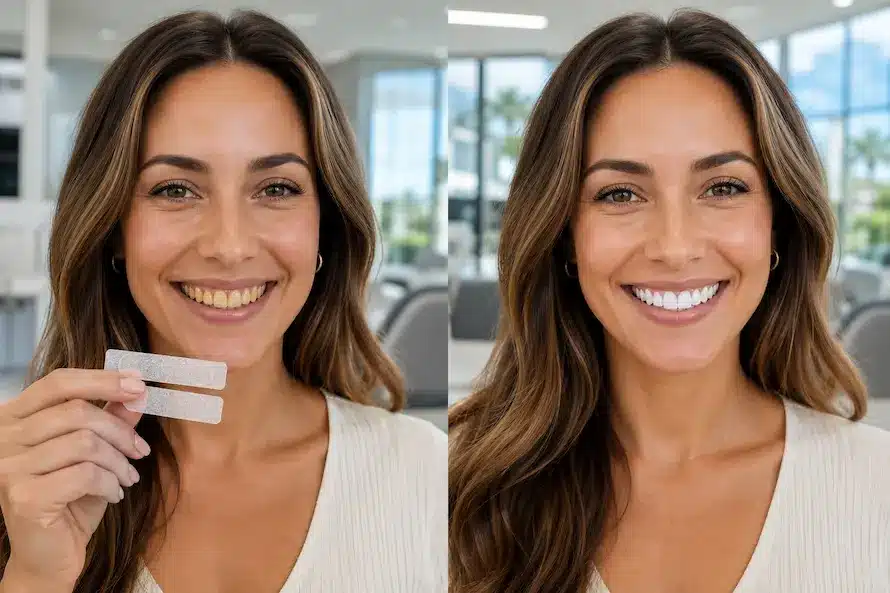
Because the whitening ingredients are typically less concentrated, users often need multiple applications over several weeks before noticing significant changes. Results can vary greatly depending on the product used and the type of staining present.
Limitations of Store-Bought Whitening Solutions
While some patients experience mild improvements, over-the-counter whitening products have several limitations.
One-Size-Fits-All Approach
Store-bought whitening trays and strips are designed for the general population. They are not customized to your specific smile. This can lead to:
- Uneven whitening
- Missed areas
- Gum irritation
- Inconsistent results
Lower Whitening Strength
Many over-the-counter products contain lower concentrations of active whitening ingredients. As a result:
- Treatment takes longer.
- Results may be less dramatic.
- Deep stains may not respond effectively.
Limited Professional Guidance
Without a dental evaluation, it’s difficult to determine whether discoloration is caused by:
- Surface stains
- Internal tooth discoloration
- Existing dental restorations
- Medication-related staining
Patients may spend considerable time and money on products that are not suited to their specific needs.
Limited Professional Guidance
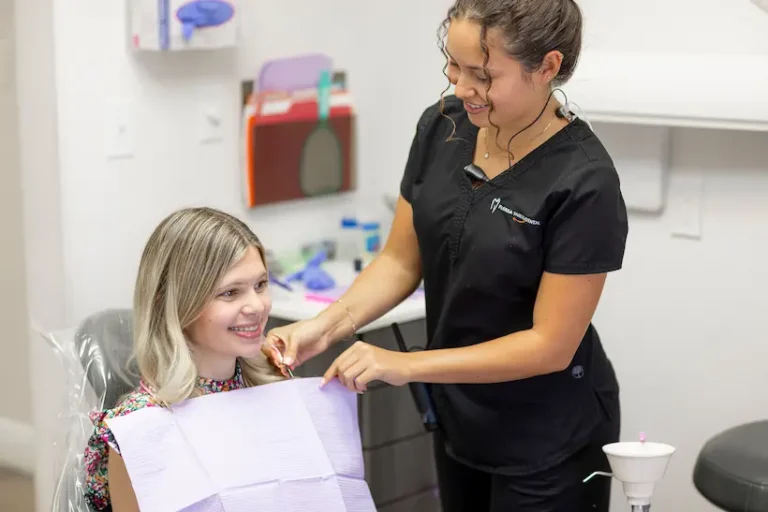
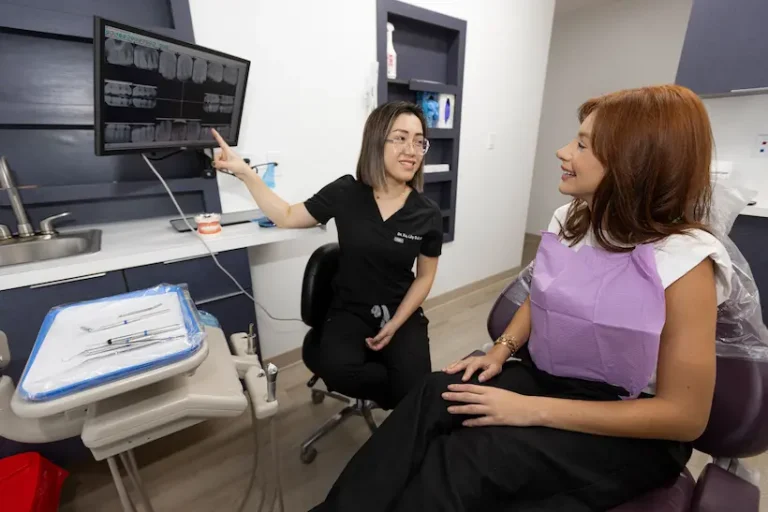
Professional teeth whitening is a cosmetic dental treatment performed or supervised by dental professionals. Unlike store-bought products, professional whitening treatments are customized to each patient’s unique smile and oral health needs. At Florida Smiles Dental, professional whitening begins with an examination to identify the cause of discoloration and determine the most effective treatment approach. This personalized assessment helps ensure optimal results while minimizing potential side effects.
How Professional Teeth Whitening Works
Professional whitening treatments use stronger whitening agents that can penetrate stains more effectively. The process generally includes:
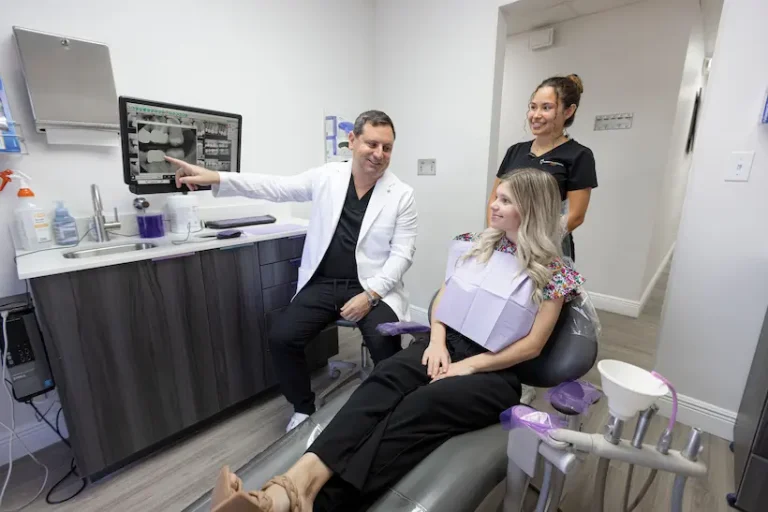
Comprehensive Dental Evaluation
A dentist evaluates:
- Tooth color
- Existing restorations
- Oral health
- Sensitivity concerns
- Causes of discoloration
Customized Treatment Planning
Every smile is different. Treatment plans are tailored to address individual goals and concerns.
Controlled Whitening Application
Professional whitening products are carefully applied to maximize effectiveness while protecting surrounding tissues. This controlled environment allows for safer and more predictable outcomes.
Professional Teeth Whitening vs Store-Bought Whitening: Side-by-Side Comparison
| Feature | Professional Whitening | Store-Bought Whitening |
| Whitening Strength | Higher | Lower |
| Speed of Results | Faster | Slower |
| Customization | Fully Customized | One-Size-Fits-All |
| Professional Oversight | Yes | No |
| Sensitivity Management | Better Controlled | Less Controlled |
| Even Whitening | More Consistent | Variable |
| Treatment Planning | Personalized | Generic |
| Long-Term Results | Typically Better | Often Shorter Lasting |
Why Some Teeth Don’t Whiten Evenly
Many patients are surprised to learn that not all teeth respond equally to whitening treatments. Several factors can affect results.
Dental Restorations
Whitening products generally do not change the color of:
- Crowns
- Veneers
- Fillings
- Bonding materials
This can create uneven coloration if restorations are present.
Internal Staining
Some discoloration originates inside the tooth structure rather than on the surface. These deeper stains may require alternative cosmetic treatments rather than traditional whitening.
Age-Related Changes
As teeth age, enamel naturally wears down, which can influence whitening outcomes. Professional guidance helps establish realistic expectations before treatment begins.
Managing Tooth Sensitivity During Whitening
One of the biggest concerns patients have is sensitivity. The truth is that some degree of temporary sensitivity can occur with any whitening treatment. However, professional whitening offers significant advantages. Dental professionals can:
- Assess sensitivity risks beforehand
- Recommend appropriate treatment options
- Adjust whitening protocols as needed
- Provide guidance for managing discomfort
Many patients who struggled with sensitivity from whitening strips are pleasantly surprised by how comfortable professional whitening can be.
How Long Do Whitening Results Last?
The longevity of whitening results depends on several factors. These include:
- Oral hygiene habits
- Diet
- Tobacco use
- Coffee and tea consumption
- Maintenance routines
Generally speaking, professional whitening often provides longer-lasting results because it achieves deeper and more effective stain removal.
Patients can prolong their results by maintaining regular dental cleanings and practicing good oral hygiene.
Who Is a Good Candidate for Professional Whitening?
Professional whitening may be an excellent option for individuals who:
- Have healthy teeth and gums
- Want faster results
- Have an upcoming special event
- Desire more noticeable whitening
- Have experienced limited success with store-bought products
A dental consultation can determine whether whitening is appropriate or if alternative cosmetic treatments may provide better results.
Popular Reasons Patients Choose Teeth Whitening
Many people associate whitening with cosmetic improvement, but motivations often go beyond appearance. Patients frequently seek whitening before:
- Weddings
- Vacations
- Graduations
- Job interviews
- Professional headshots
- Reunions
- Special celebrations
For others, whitening simply represents an investment in self-care and personal confidence. A brighter smile can help people feel more comfortable in social and professional settings.
Common Myths About Teeth Whitening
Myth #1: All Whitening Products Work the Same
Different whitening products vary significantly in strength, effectiveness, and customization.
Myth #2: Whitening Damages Healthy Teeth
When performed properly and under professional supervision, whitening is generally considered safe for healthy teeth.
Myth #3: Results Are Permanent
Whitening is not permanent. Lifestyle habits and aging can gradually lead to new staining.
Myth #4: Everyone Gets the Same Results
Every patient responds differently depending on their enamel, existing stains, and oral health.
Frequently Asked Questions
For many patients, the faster, more predictable, and more noticeable results make professional whitening a worthwhile investment.
Some deep stains respond well to professional treatment, while others may require alternative cosmetic procedures.
Professional whitening typically produces noticeable improvements much faster than store-bought products.
Most patients experience little to no discomfort, although temporary sensitivity can occur.
No. Existing restorations generally do not respond to whitening agents.
This varies by individual. Your dentist can recommend a maintenance schedule based on your goals and lifestyle.